Pack Light, Ride Free: Minimalist Checklists for Short Bikepacking Escapes
Bike and Bags, Simplified
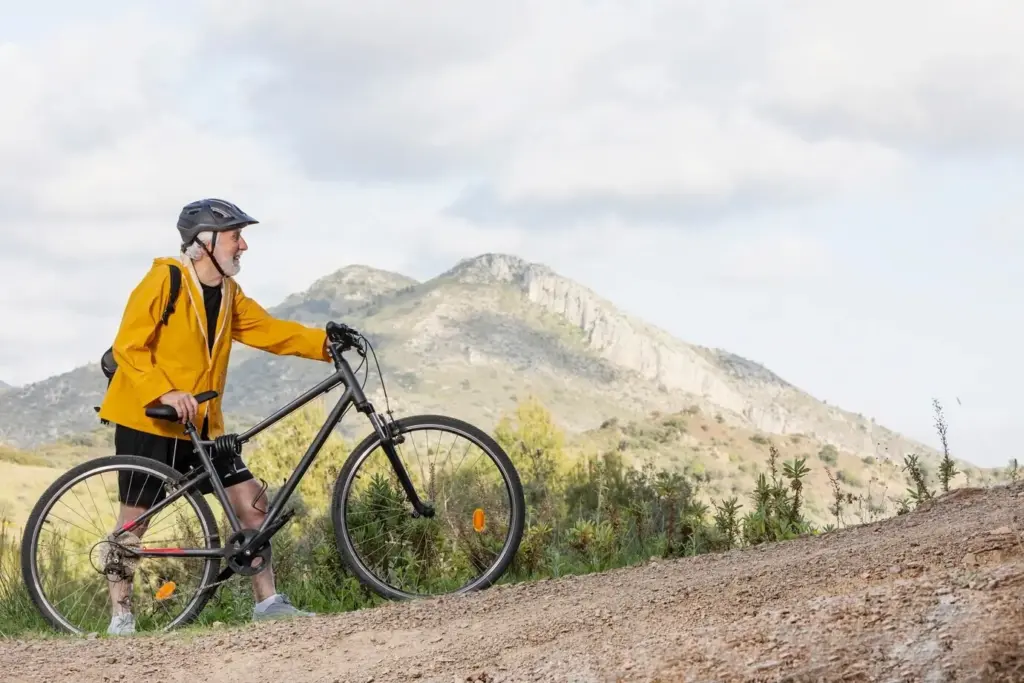
Choose a stable, comfortable bike you already know well, then add a frame bag for dense items, a seat pack for soft volume, and a handlebar roll for bulky but light pieces. Keep cockpit tools and snacks close at hand. Prioritize secure mounting, low sway, and weather resistance. Label small pouches, minimize plastic crinkle, and check bolts before you leave. Familiar, tidy packing boosts confidence at every turn.
Shelter and Sleep, Reduced
For an overnighter or two-night loop, a tarp or bivy paired with an appropriate quilt often beats a heavier tent. Focus on expected night lows, wind exposure, and bugs. A groundsheet protects your pad and doubles as a clean workspace. Sleep clothes should complement insulation, not duplicate it. Practice pitching fast in wind, and always have a backup stake strategy. Small, reliable shelter builds big morale when weather shifts suddenly.
Water, Calories, and Small Comforts
Carry enough capacity for dry stretches, then plan resupplies around towns, pumps, or streams you can filter from. Choose calorie-dense foods that survive heat and jostling, like tortillas, nut butters, tuna packs, and trail mixes. Bring tiny comfort items that earn their place: lip balm, wipes, and a spoon that won’t bend. Gentle luxuries prevent small annoyances from becoming big frustrations, keeping your ride buoyant and your stops efficient.
Smart Packing and Balanced Weight
Up Front: Bulky but Light
A handlebar roll is perfect for your puffy jacket, quilt, or tarp—items that are voluminous but weigh little. Use compression straps to prevent bounce and preserve steering feel. Keep cables clear, leave space for a light, and avoid overstacking accessories. A tiny front pouch can hold quick snacks, sunscreen, and a small map page. When the cockpit stays clean and quiet, your hands and mind relax into a steadier cadence.
Inside the Triangle: Dense and Stable
The frame bag is your power center. Place tools, spares, repair tape, and dense food bars here, along with a water bladder if the frame allows. Heavy items low; rattly items wrapped. Balance left and right sides if you have divided compartments. Label inner pockets to find gear in low light. By anchoring mass in the triangle, you preserve handling finesse and reduce fatigue when the gravel turns rough or the grade tilts upward.
Tail and Top Tube: Quick Access Logic
Use the seat pack for soft, compressible layers and camp items you won’t need while rolling. Keep a rain shell or wind layer near the opening for sudden weather. The top tube bag handles immediate needs: phone, snacks, lip balm, small multi-tool, and a compact light. Test reach with gloves on and confirm zippers open smoothly. When quick-access items are logically placed, you stop less, eat more consistently, and maintain steady energy.
Sleep Systems That Do More With Less
Food, Water, and Easy Resupply
A Simple Menu That Actually Satisfies
Hydration Plans for Varying Routes
Stove or No Stove: Decide Once
Repairs, Tools, and Safety That Matter
Flats Happen: Be Ready
Run tubeless for resilience and bring plugs, a small boot, and at least one tube. A mini-pump beats CO2 for repeated uses, while a compact gauge ensures pressure accuracy. Keep tire levers durable and visible. Inspect sidewalls during snack breaks to catch issues early. Practice inserting a plug at home. Flats are inevitable, drama is optional. Prepared riders lose minutes, not momentum, and often finish stronger after a calm, efficient repair.
Drivetrain, Bolts, and Field Fixes
Pack a quick link, short chain section, tiny lube dropper, and a multi-tool with chain breaker. Bring zip ties, electrical tape, and a small length of cord for creative fixes. Check critical bolts—stem, rotors, cages—before departure. A spare derailleur hanger weighs little yet saves tours. Practice removing your rear wheel with gloves. Confidence grows when you’ve rehearsed solutions, transforming roadside surprises from ride-ending disasters into manageable pauses that sharpen your overall resilience.
First Aid and Communication Basics
A compact kit with antiseptic wipes, blister care, bandages, and pain relief covers common situations. Add an emergency blanket and a small whistle. Share your route, ETA, and resupply points with someone you trust. Offline maps and a power bank protect navigation. In remote zones, consider a satellite messenger. Calm, rehearsed responses prevent panicked choices. Safety gear should be simple, reachable, and familiar, so your best decisions feel automatic when they matter most.
Clothing Layers That Earn Their Place