Start Small, Feel Epic: E‑Bike Micro Getaways for New Adventure Riders
Why Tiny Trips Make Big Memories
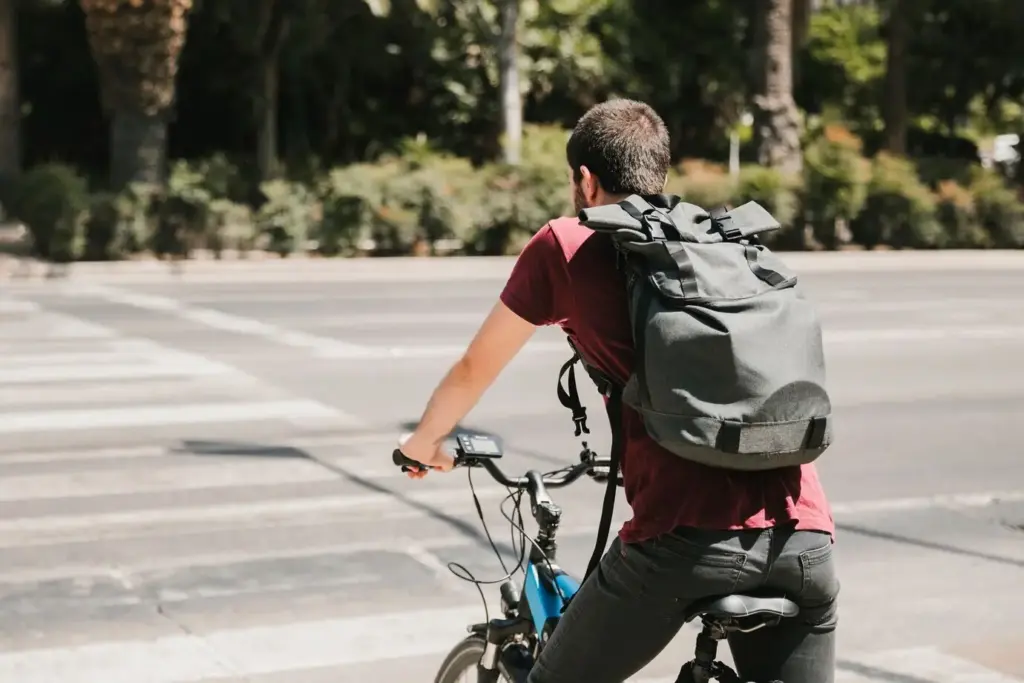
The First Five Miles
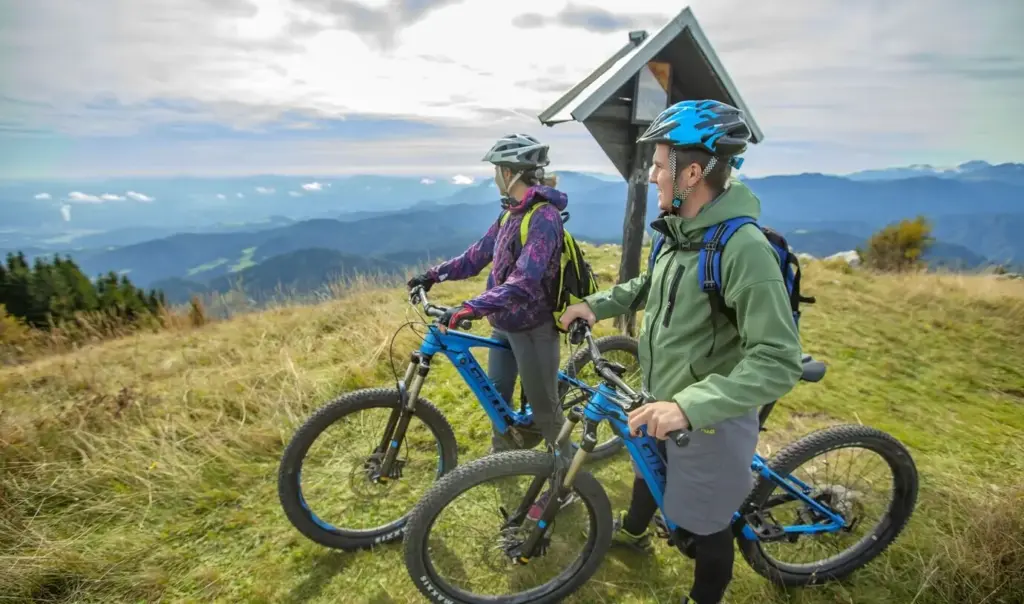
Choosing Comfort Over Speed
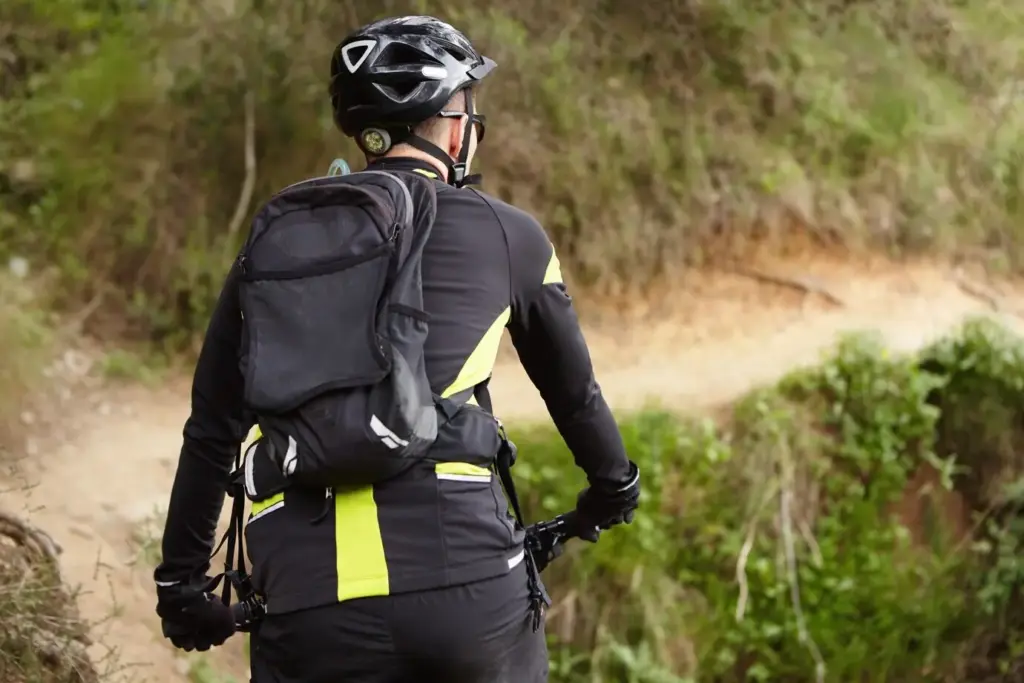
Turning Curiosity Into a Route
Planning Routes That Respect Your Battery and Your Joy
01
Range, Elevation, and Wind
Range varies by assist level, tire pressure, rider weight, and terrain. Expect forty to seventy miles on many modern setups, then plan like you have ten fewer. Climbing and headwinds drain faster than you expect; schedule earlier starts to capture cool air and calmer breezes. Inflate tires properly, lube the chain, and carry a small pump. A thoughtful buffer converts uncertainty into calm confidence that supports spontaneous, delightful side quests.
02
Navigation Tools That Actually Help
Use a mix: a planning app for gradients, a GPX file for your computer, and a printed cue sheet sealed in a zip bag. Download offline maps and share your route with a trusted friend. Mark backup exits, train stations, and bike-friendly bus lines. Turn prompts to “less often” so you can enjoy views. Technology should whisper reassurance, not shout orders, leaving your senses free to savor discovered moments.
03
Waypoints With Meaning
Pick stops that feed body and story: a historic bridge, a family-run bakery, a tiny museum, a swimming cove, or a lavender field. Ask locals for a single can’t-miss detail, then pivot your plan to include it. Add water refills to every third waypoint. When stops carry emotion and texture, your photos and journal entries write themselves, and the route lives longer in memory than any perfect average speed ever could.

The Ten-Item Kit That Solves Ninety Percent of Problems

Food, Water, and Small Comforts
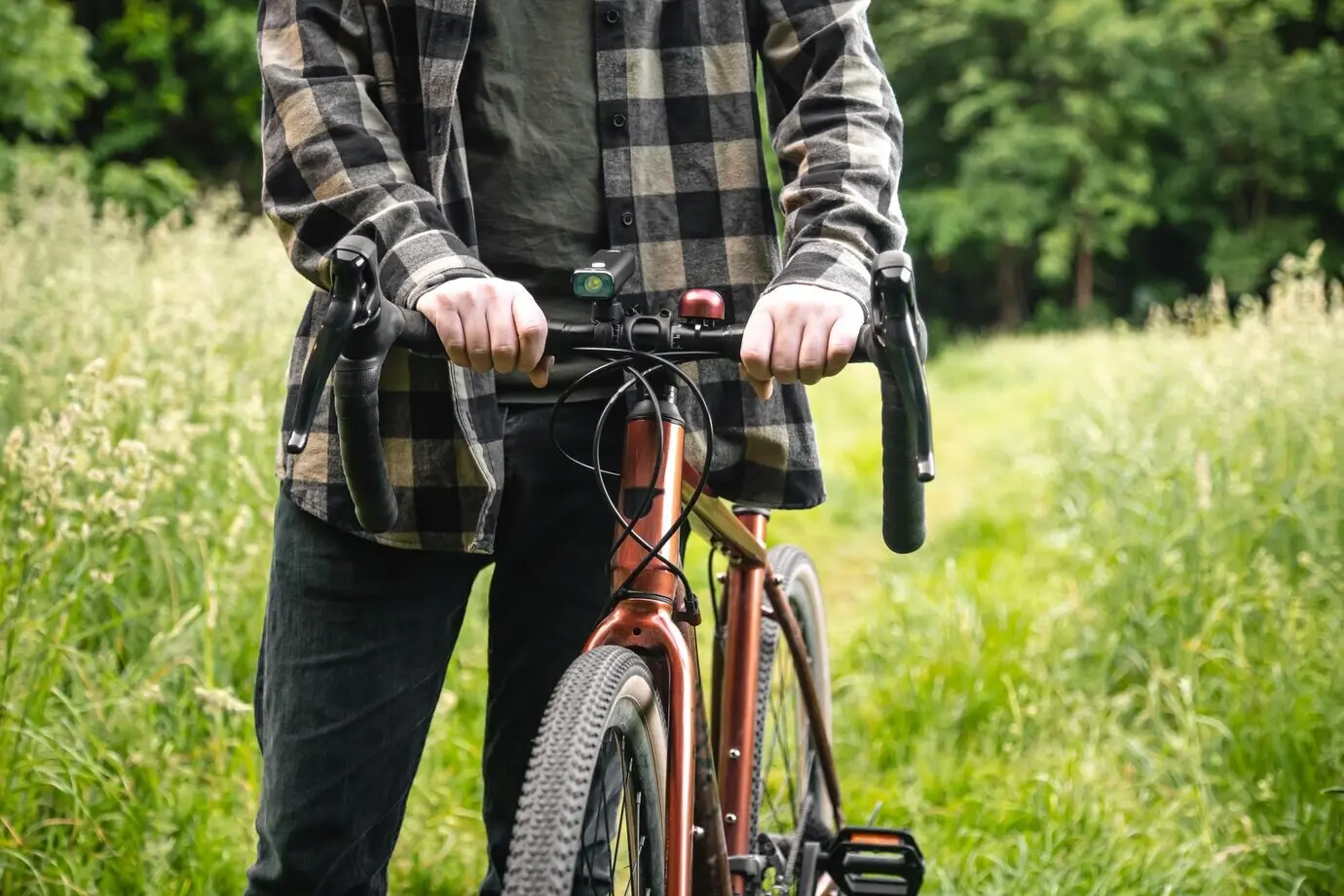
Weatherproofing Without Bulk
Brakes, Corners, and Assist Levels
Traffic, Trails, and Courtesy
Three Ready-to-Roll Micro Getaways
Charging, Care, and Sustainability